Chopta
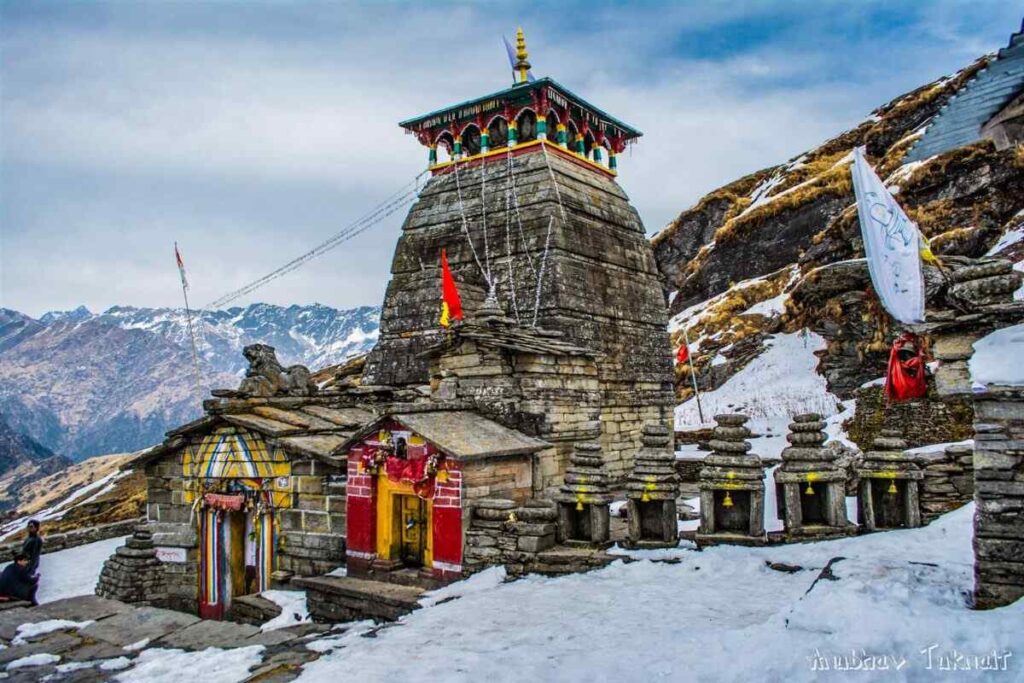
Chopta, famously known as the “Mini Switzerland of Uttarakhand,” is one of the most picturesque and serene hill stations in India. It earned this nickname because of its vast, rolling green meadows (called Bugyals), dense pine and deodar forests, and the stunning backdrop of snow-capped Himalayan peaks.
Here is the written information you need about this hidden gem:
1. Geographical Location
Altitude: Situated at an elevation of approximately 2,680 meters (8,790 feet).
Region: Located in the Rudraprayag district of Uttarakhand, it is part of the Kedarnath Wildlife Sanctuary.
Landscape: Unlike other commercial hill stations, Chopta is largely undeveloped, preserving its raw natural beauty.
2. Why is it called “Mini Switzerland”?
The comparison comes from its alpine meadows. In the spring and summer, the slopes of Chopta are covered in velvety green grass and vibrant wildflowers (especially the red Rhododendron). The air is crisp, the surroundings are quiet, and the view of the Greater Himalayas (including peaks like Chaukhamba and Nanda Devi) resembles the scenic landscapes of the Swiss Alps.
3. Major Attractions
Tungnath Temple: A 3.5 km trek from Chopta leads to the highest Shiva temple in the world.
Chandrashila Peak: A further 1.5 km steep climb from Tungnath offers a 360-degree panoramic view of the Himalayan range.
Deoria Tal: A nearby emerald lake (accessible from Sari village) that reflects the Chaukhamba peaks in its waters.
Wildlife: It is a paradise for birdwatchers; you can easily spot the Himalayan Monal (the state bird of Uttarakhand) and various species of musk deer.
Chopta Tungnath Temple
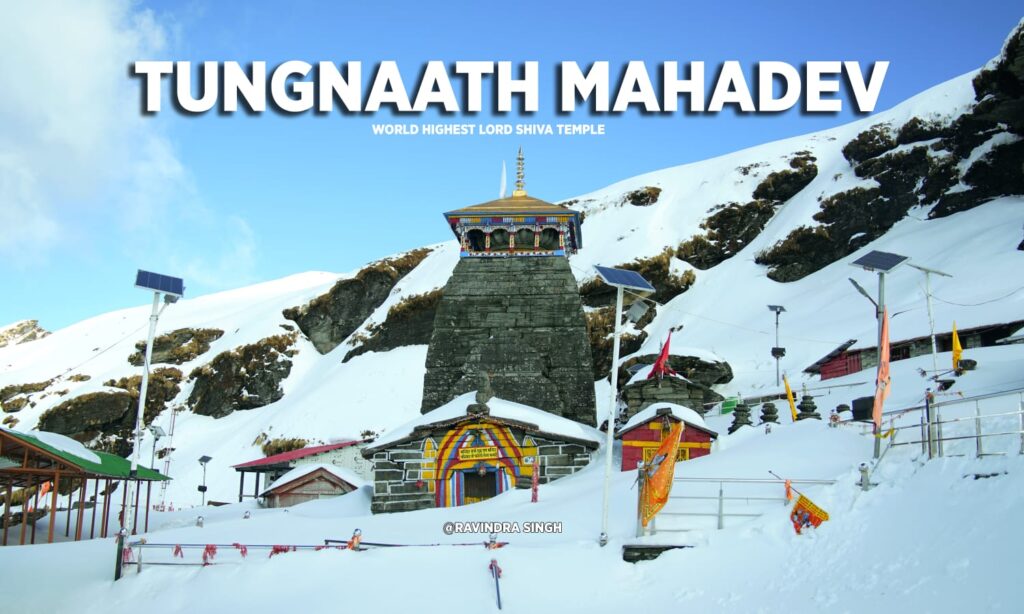
Tungnath Temple is a place of immense spiritual power and natural beauty. It holds the prestigious title of being the highest Shiva temple in the world. Located in the Rudraprayag district of Uttarakhand, it is the 3rd Kedar in the sacred Panch Kedar circuit.
Here is everything you need to know about Tungnath:
1. Spiritual Significance
The “Arms” of Shiva: According to the Mahabharata legend, when Lord Shiva took the form of a bull, his Bahu (Arms) appeared at Tungnath.
The Pandavas: The temple was built by the Pandavas to appease Lord Shiva after the Kurukshetra war.
Winter Migration: Similar to Kedarnath, the temple closes during the winter due to heavy snow. The symbolic idol of the deity is moved to Makkumath, which serves as the winter seat.
2. Geography and Location
Altitude: It is situated at an incredible height of 3,680 meters (12,073 feet).
Peak: The temple sits on the slopes of the Chandrashila mountain.
Base Camp: The journey starts from Chopta, a scenic meadow surrounded by pine, deodar, and rhododendron forests.
Tungnath Chandrashila
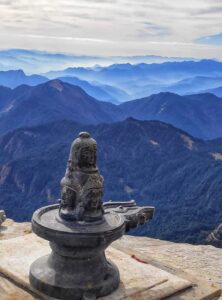
Chandrashila, which literally translates to “Moon Rock,” is a majestic mountain summit located above the Tungnath Temple in the Rudraprayag district of Uttarakhand. It is one of the most popular trekking destinations in India due to its accessibility and the stunning 360-degree views it offers.
Here is the essential information about Chandrashila:
1. Geographical Highlights
Altitude: The summit sits at an elevation of approximately 3,690 meters (12,110 feet) above sea level.
Deoriyataal Lake
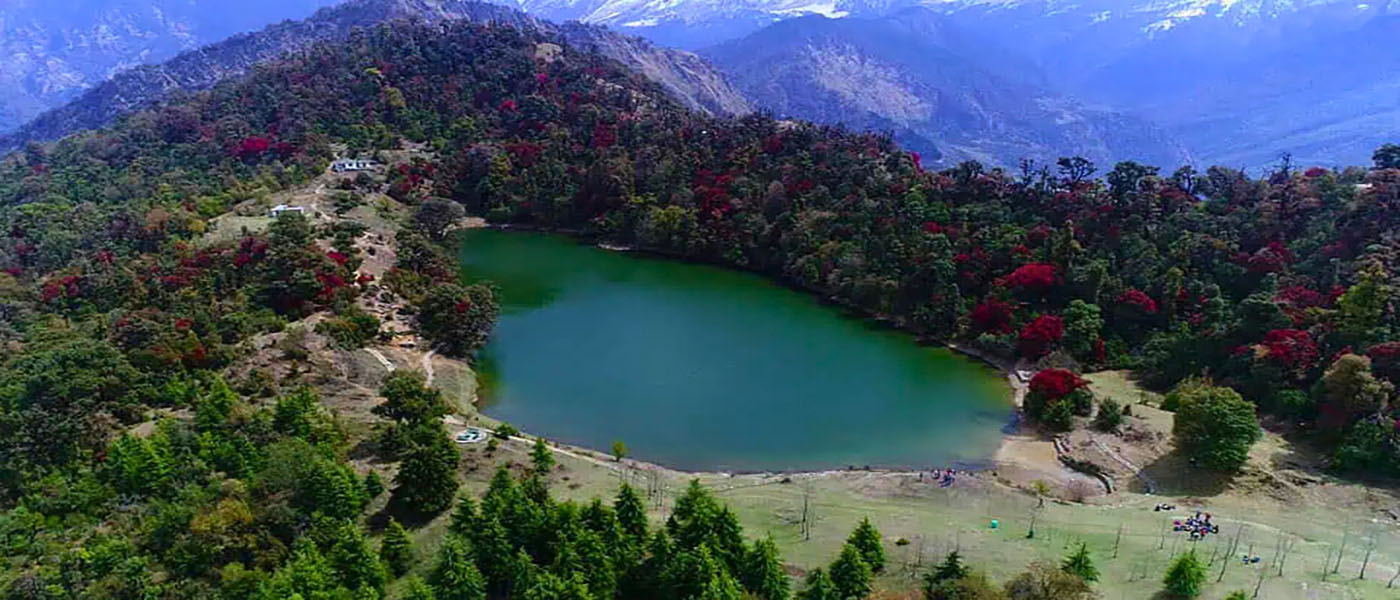
The “Mirror” of the Himalayas
The most famous feature of Deoriatal is its crystal-clear reflection. On a clear day, you can see a perfect mirror image of the massive Chaukhamba peaks in the lake’s water. It is a photographer’s paradise, especially during sunrise and sunset.