Baba Bike Rental
Baba Bike Rental
Baba Bike Rental
Baba Bike Rental
Baba Bike Rental

Distance From Ukhimuth

Destination Dist. Highlights
Omkareshwar Winter seat of Kedarnath.
Tungnath 30 KM World’s highest Shiva temple.
Deoriatal 15 KM Lake with peak reflections.
Madhyamaheshwar 30 KM Spiritual Panch Kedar site.
Vishwanath 16 KM Ancient Guptkashi shrine.
Kartik Swami 55 KM 360° Himalayan views.
Kalimath 17 KM Divine Shakti Peeth.
Destination Dist. Highlights
Triyuginarayan 57 KM Lord Shiva’s wedding site.
Kedarnath 51 KM Major Jyotirlinga shrine.
Markandey 32 KM Peaceful Makkumath site.
Bholeshwar 00 KM Nearest Temple.
Laxmi Narayan 16 KM Laxmi Narayan Mandir.
Rudranath Mandir 65 KM By road distance.
Anusuya Mandir 61 KM By road distance.

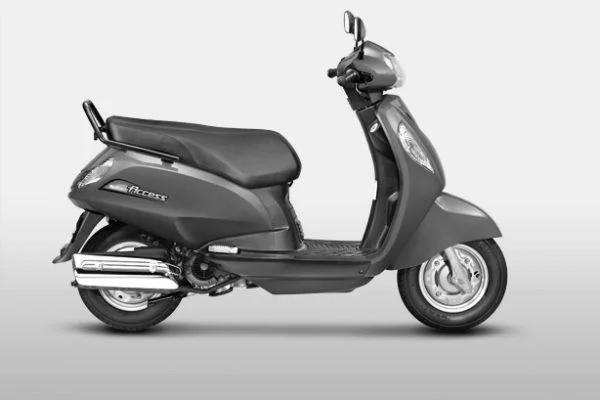
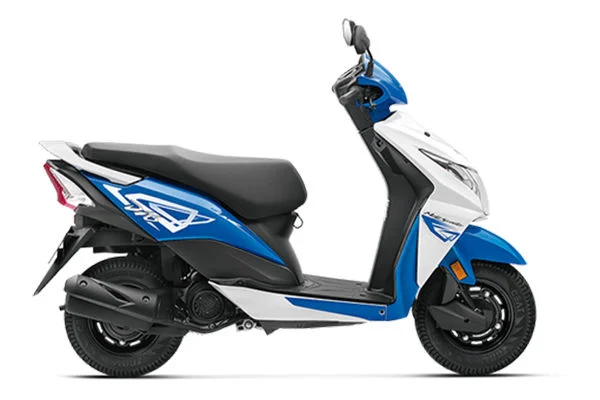
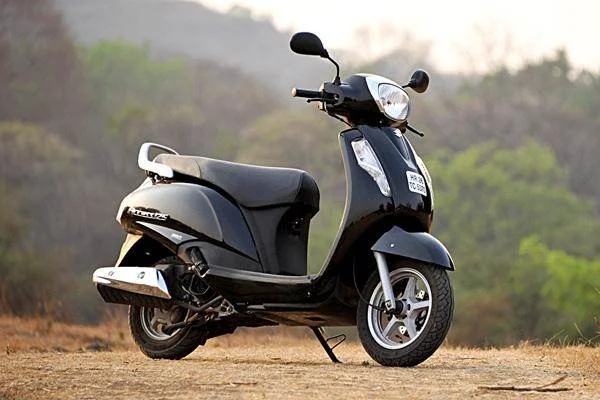
We have available Bikes

Welcome in Baba Bike Rental in Ukhimuth Rudrapryag

Tourist Place In Rudrapryag

Omkareshwar
Rudranath Temple
Markandey Rishi Temple
Tungnath Temple
Kartik Swami Temple
Anusuya Devi Temple
The Kalishila Temple
Lakshmi Narayan Temple
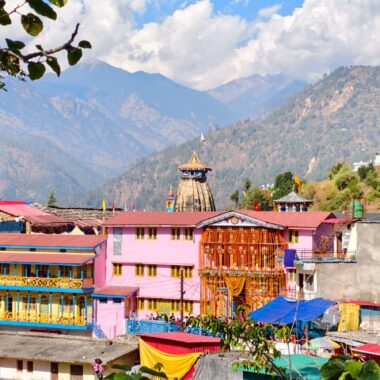
Omkareshwar

Omkareshwar

For six months, all the daily rituals and worship for Kedarnath are performed right here.

​Not just Kedarnath, but the idol of Lord Madmaheshwar (the 2nd Kedar) is also worshipped here during the winter.

​2. Mythological History

​The Wedding of Usha & Aniruddha: According to legend, this temple was the venue for the marriage of Usha (the daughter of Banasura) and Aniruddha (the grandson of Lord Krishna).

​The Name “Ukhimath”: Because of the wedding, the place was originally called Ushamath, which over time changed to Ukhimath.

​King Mandhata: Legend says that King Mandhata (an ancestor of Lord Rama) performed severe penance here on one leg for 12 years. Pleased by his devotion, Lord Shiva appeared in the form of “Omkar” (the sound of Om), which is why the temple is named Omkareshwar.

Rudranath Temple

Rudranath Temple

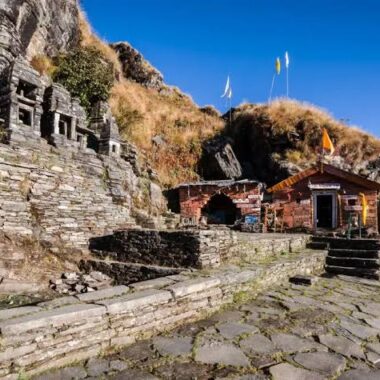
Rudranath Temple is one of the most unique and challenging pilgrimage sites in the world. Dedicated to Lord Shiva, it is the 4th Kedar in the sacred Panch Kedar circuit and is located in the Chamoli district of Uttarakhand.

​Among all the Shiva temples, Rudranath is special because it is the only place where the “Mukh” (Face) of Lord Shiva is worshipped.

​1. Spiritual Significance

​The Face of Shiva: According to mythology, when Lord Shiva took the form of a bull to hide from the Pandavas, his face appeared here. He is worshipped here as Neelkanth Mahadeva.

​Vaitarani River: Near the temple flows the celestial Vaitarani River (the River of Salvation), where devotees offer Pind Daan (rituals for ancestors).

​The Atmosphere: The temple is situated inside a natural rock cave, giving it a very raw and ancient spiritual vibe.

​2. Geographical Details

​Altitude: It is situated at an elevation of 3,550 meters (11,647 feet).

​Location: The temple is nestled within a dense forest of rhododendron and alpine meadows (Bugyals) in the Garhwal Himalayas.

​Winter Seat: During the winter months, when the temple is covered in heavy snow, the symbolic idol is brought down to the Gopinath Temple in Gopeshwar.

Markandey Rishi Temple

Markandey Rishi Temple

The Markandey Rishi Temple in Makkumath (also known as Makku Math) is a sacred destination in the Rudraprayag district of Uttarakhand. It is deeply connected to the winter worship rituals of the famous Panch Kedar temples.

​1. Spiritual Significance

​The Legend of Markandeya: The temple is dedicated to Sage Markandeya, a great devotee of Lord Shiva. According to mythology, it was at this spot that the Sage performed intense penance (Tapasya) and was saved by Lord Shiva from Yama (the God of Death).

​The Winter Seat: Makkumath is most famous for being the winter seat of Tungnath, the highest Shiva temple in the world. When the Tungnath temple closes due to heavy snow in the winter (usually around November), the symbolic image of the deity is brought down to Makkumath for worship.

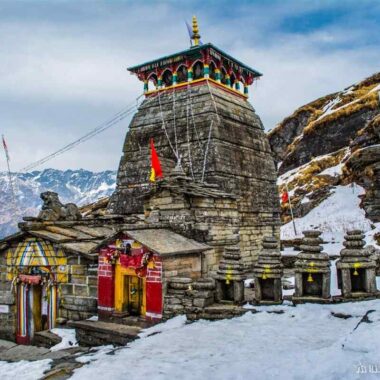
Tungnath Temple

Tungnath Temple

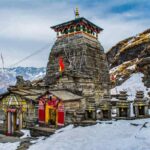
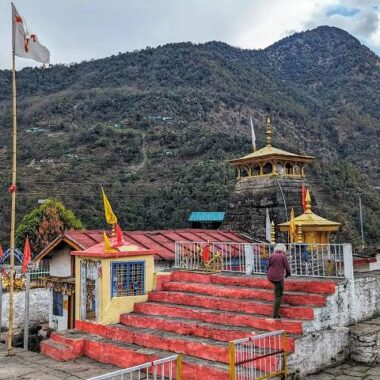
Tungnath Temple is a place of immense spiritual power and natural beauty. It holds the prestigious title of being the highest Shiva temple in the world. Located in the Rudraprayag district of Uttarakhand, it is the 3rd Kedar in the sacred Panch Kedar circuit.

​Here is everything you need to know about Tungnath:

​1. Spiritual Significance

​The “Arms” of Shiva: According to the Mahabharata legend, when Lord Shiva took the form of a bull, his Bahu (Arms) appeared at Tungnath.

​The Pandavas: The temple was built by the Pandavas to appease Lord Shiva after the Kurukshetra war.

​Winter Migration: Similar to Kedarnath, the temple closes during the winter due to heavy snow. The symbolic idol of the deity is moved to Makkumath, which serves as the winter seat.

​2. Geography and Location

​Altitude: It is situated at an incredible height of 3,680 meters (12,073 feet).

​Peak: The temple sits on the slopes of the Chandrashila mountain.

​Base Camp: The journey starts from Chopta, a scenic meadow surrounded by pine, deodar, and rhododendron forests.

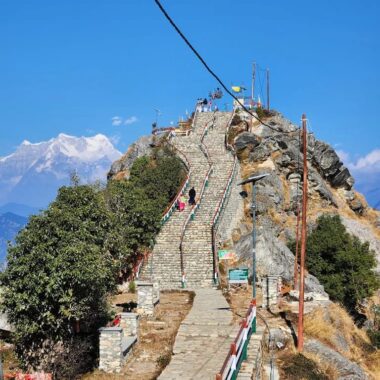
Kartik Swami Temple

Kartik Swami Temple

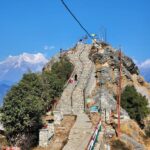
Lord Kartikeya (the elder son of Lord Shiva). Perched on a dramatic narrow ridge atop the Kronch Parvat, it is famous for its breathtaking 360-degree views of the Himalayas.

​Here is everything you need to know:

​1. Spiritual Significance & Legend

​The “Bone” Worship: According to mythology, after losing a race around the universe to his brother Ganesha, an enraged Lord Kartikeya sacrificed his physical self (flesh and skin) to his father Shiva as a sign of devotion. It is believed his bones are enshrined here in a naturally carved stone idol.

​The Sound of Bells: Thousands of bells are tied to the temple by devotees. The sound of these bells echoing across the mountain ridges is a deeply spiritual experience.

​2. The Trek

​Base Camp: The trek begins from the peaceful village of Kanakchauri.

​Distance: A steady 3 km uphill walk.

​Difficulty: Easy to Moderate. The path is well-paved with stone steps and passes through dense forests of Oak and Rhododendron.

​Duration: It takes about 1 to 1.5 hours to reach the top.

Anusuya Devi Temple

Anusuya Devi Temple

Located in the Chamoli district of Uttarakhand, the Anusuya Devi Temple and Atri Muni Ashram are significant pilgrimage sites nestled in the lap of the Himalayas. This circuit is famous not just for its spiritual energy, but also for its breathtaking trekking trails and waterfalls.

​1. Anusuya Devi Temple

​This temple is dedicated to Sati Anusuya, the wife of Sage Atri. She is revered as the epitome of chastity and devotion.

​The Legend: According to Hindu mythology, the Trinity (Brahma, Vishnu, and Shiva) came to test Anusuya’s devotion. Through her spiritual power, she turned them into infants and nurtured them. This spot is believed to be where that divine event occurred.

​The Deity: It is a popular belief that couples seeking children find blessings here. Every year, during Dattatreya Jayanti (usually in December), a large fair is organized where devotees keep a night-long vigil with lamps.

​Altitude: Approximately 2,000 meters above sea level.

​2. Atri Muni Ashram

​About 2 km further trek from the Anusuya Devi Temple lies the cave ashram of Sage Atri.

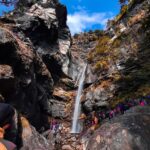
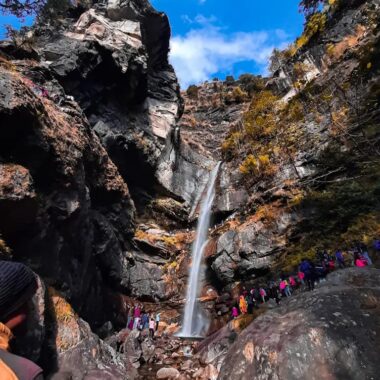
​The Cave & Waterfall: The ashram is set inside a natural cave. Right next to it is the Amrit Ganga waterfall, a stunning sight where the water falls from a great height.

​Unique Ritual: It is said to be one of the few places where devotees perform a Parikrama (circumambulation) around an entire river/waterfall as a mark of respect.

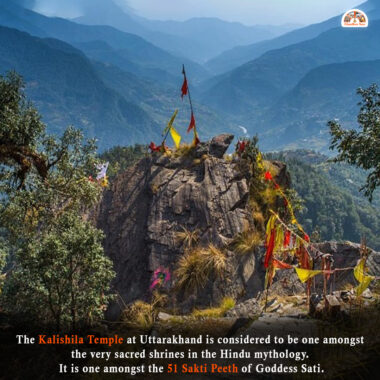
The Kalishila Temple

The Kalishila Temple

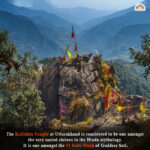
The Kalishila Temple (also known as Shakti Shila) is one of the most powerful and spiritually charged shrines in Uttarakhand. Located in the Rudraprayag district, it sits high above the famous Kalimath Temple.

​Unlike traditional temples, Kalishila is centered around a massive sacred black rock (Shila) rather than an idol.

​1. Spiritual & Mythological Significance

​Shakti Peeth: It is considered one of the 51 (some traditions say 108) Shakti Peeths. It is believed that Goddess Sati was reborn as Goddess Parvati at this very spot.

​The Legend of Raktabija: According to the Skanda Purana, this is where Goddess Kali took the form of a 12-year-old girl to battle the demons Shumbh, Nishumbh, and Raktabija.

​The 64 Yantras: The rock is said to contain the markings of 64 divine Yantras (mystical diagrams). Devotees believe that Goddess Kali derived her immense power from these Yantras to defeat the demons.

​Divine Footprints: You can see impressions on the rock that are worshipped as the footprints of Goddess Kali.

​2. Location and Altitude

​Altitude: Approximately 3,463 meters (11,360 feet) above sea level.

​View: Because of its height, it offers a stunning 360-degree view of the Himalayan peaks, including Chaukhamba and Kedarnath.

Lakshmi Narayan Temple

Lakshmi Narayan Temple

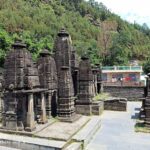
The Lakshmi Narayan Temple at Narayankoti (often referred to as the Narayan Koti Temple Group) is an ancient and spiritually significant site located in the Rudraprayag district of Uttarakhand. It is famous for being a unique cluster of temples that blends the worship of Lord Vishnu with planetary deities.

​1. Historical & Spiritual Significance

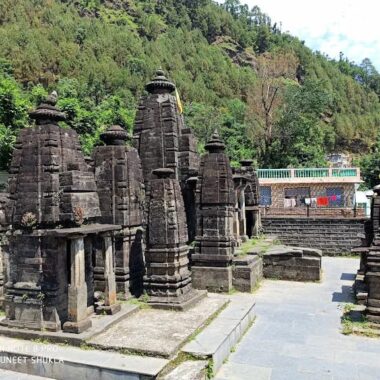
​The Group of Temples: Originally, the site is said to have housed 360 temples. Today, only about 29 to 30 temples survive. These structures are believed to have been built around the 9th century AD or even earlier.

​The Legend of Pandavas: According to local folklore, after the Kurukshetra war, the Pandavas were seeking Lord Shiva to atone for their sins. When they were unable to find him, Lord Krishna manifested one crore (Koti) forms of Narayana (Lord Vishnu) at this spot to comfort them, hence the name Narayankoti.

​Navagraha Temples: This is considered the only place in India where temples dedicated to all nine celestial bodies (Navagrahas)—Sun, Moon, Mars, Mercury, Jupiter, Venus, Saturn, Rahu, and Ketu—are present in a single group.

​2. Key Architectural Features

​Main Shrine: The primary temple is dedicated to Lakshmi Narayana (Lord Vishnu and Goddess Lakshmi).

​Virbhadra Kund: The complex features a sacred stone tank or stepwell known as Virbhadra Kund (or Brahmakund). Two small streams, representing the Ganga and Yamuna, continuously flow into this tank.

​Style: The temples are built in the classic North Indian stone architectural style, featuring intricate carvings that have withstood centuries of harsh Himalayan weather.
Testimonial

Absolutely amazing experience! The bike was in perfect condition, very well maintained, and pickup was super smooth. We rented it for our mountain trip and it handled every road beautifully. Highly recommend this rental service for anyone looking for a hassle-free ride!

Radha Kapoor

Radha Kapoor

Best bike rental service in town! Affordable prices, quick documentation, and very friendly staff. The bike mileage was excellent and we faced zero issues during our journey. Will definitely rent again on my next trip!

Amerjeet Gupta

Amerjeet Gupta

Fantastic service and very reliable bikes! The booking process was simple, and the team explained everything clearly before handing over the bike. It made our road trip smooth and stress-free. Truly a trustworthy bike rental service!

Amit Sharma

Amit Sharma