Kedarnath
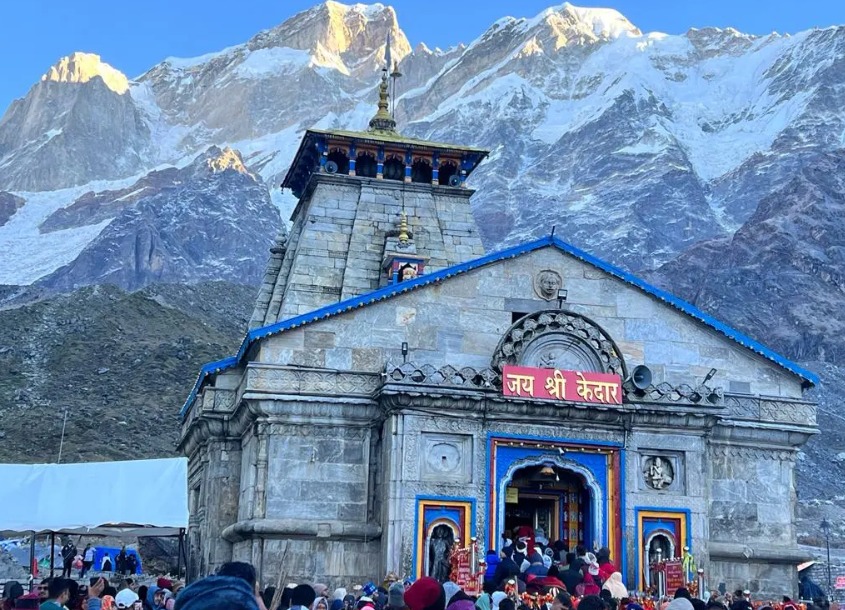
Kedarnath Temple, located in the Rudraprayag district of Uttarakhand, is one of the most sacred Hindu shrines in the world. Dedicated to Lord Shiva, it is one of the 12 Jyotirlingas and the most important of the Panch Kedar temples.
Here is the essential information about Kedarnath Temple:
1. Spiritual & Historical Significance
The Mythology: According to the Mahabharata, the Pandavas built the original temple to seek forgiveness from Lord Shiva after the Kurukshetra war. Shiva, eluding them, took the form of a bull and dove into the ground at Kedarnath, leaving his hump on the surface.
Adi Shankaracharya: The current stone structure is believed to have been revived and reconstructed by the great philosopher Adi Shankaracharya in the 8th century CE. His Samadhi (resting place) is located just behind the temple.
The “Bull” Form: The deity inside is worshipped in the form of a natural triangular rock, representing the hump of the divine bull.
2. Geography & Altitude
Height: It is situated at a staggering altitude of 3,583 meters (11,755 feet) above sea level.
Location: The temple sits on the banks of the Mandakini River and is flanked by the majestic Kedarnath and Kedar Dome peaks.
Weather: The area remains under deep snow for six months of the year, making the temple inaccessible during winter.
Omkareshwar
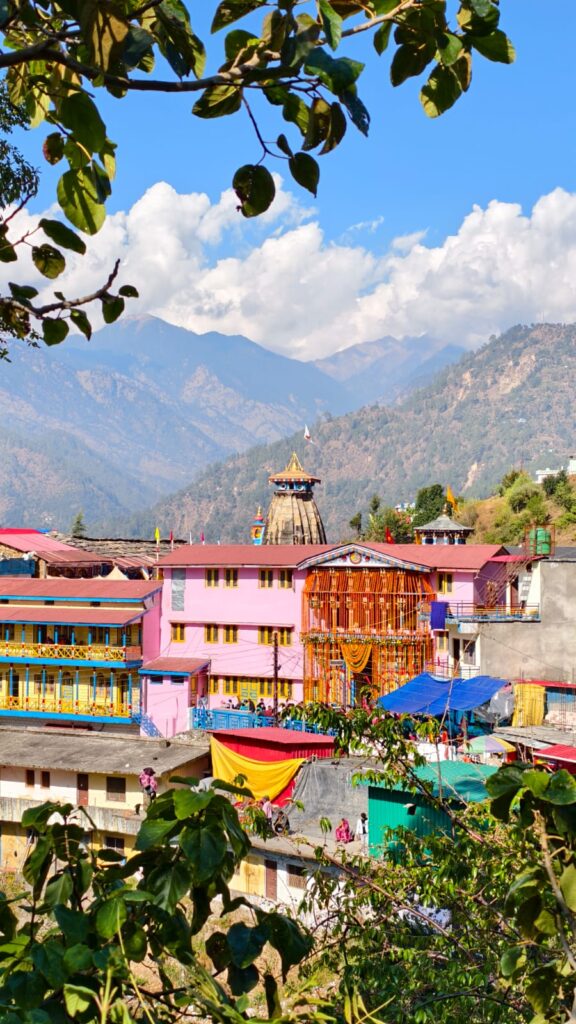
For six months, all the daily rituals and worship for Kedarnath are performed right here.
Not just Kedarnath, but the idol of Lord Madmaheshwar (the 2nd Kedar) is also worshipped here during the winter.
2. Mythological History
The Wedding of Usha & Aniruddha: According to legend, this temple was the venue for the marriage of Usha (the daughter of Banasura) and Aniruddha (the grandson of Lord Krishna).
The Name “Ukhimath”: Because of the wedding, the place was originally called Ushamath, which over time changed to Ukhimath.
King Mandhata: Legend says that King Mandhata (an ancestor of Lord Rama) performed severe penance here on one leg for 12 years. Pleased by his devotion, Lord Shiva appeared in the form of “Omkar” (the sound of Om), which is why the temple is named Omkareshwar.
Rudranath Temple

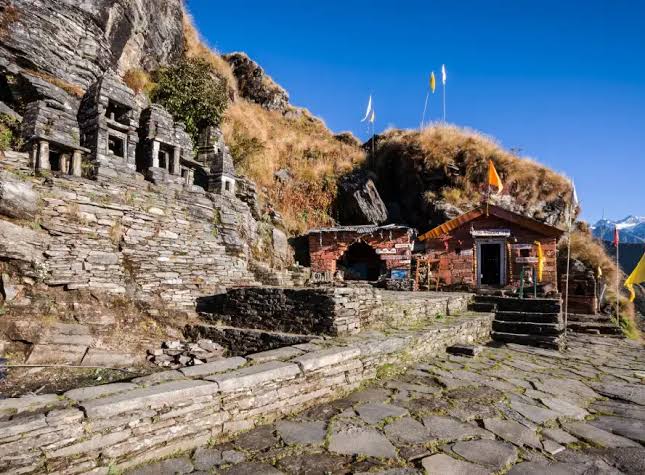
Rudranath Temple is one of the most unique and challenging pilgrimage sites in the world. Dedicated to Lord Shiva, it is the 4th Kedar in the sacred Panch Kedar circuit and is located in the Chamoli district of Uttarakhand.
Among all the Shiva temples, Rudranath is special because it is the only place where the “Mukh” (Face) of Lord Shiva is worshipped.
1. Spiritual Significance
The Face of Shiva: According to mythology, when Lord Shiva took the form of a bull to hide from the Pandavas, his face appeared here. He is worshipped here as Neelkanth Mahadeva.
Vaitarani River: Near the temple flows the celestial Vaitarani River (the River of Salvation), where devotees offer Pind Daan (rituals for ancestors).
The Atmosphere: The temple is situated inside a natural rock cave, giving it a very raw and ancient spiritual vibe.
2. Geographical Details
Altitude: It is situated at an elevation of 3,550 meters (11,647 feet).
Location: The temple is nestled within a dense forest of rhododendron and alpine meadows (Bugyals) in the Garhwal Himalayas.
Winter Seat: During the winter months, when the temple is covered in heavy snow, the symbolic idol is brought down to the Gopinath Temple in Gopeshwar.